Rose of Isfahan (Gul-e Surkh-e Isfahan), The rose of Isfahan, the floral emblem of Isfahan,
Farhang (Isfahan),a news periodical published during the reign of Nāṣer al-Dīn Shah (r. 1848–1896/1264–1313). Farhang
Mu‛īn-‛Abbāsī, Sayyed ‛Abbās, blind musician and educator active in teaching music to the blind in
Esther Khātūn, one of the most renowned Jewish pilgrimage sites in Iran, is located in
Ṣāʾeb Tabrīzī. A Persian-language poet of the 17th/11th century, and one of the eminent poets
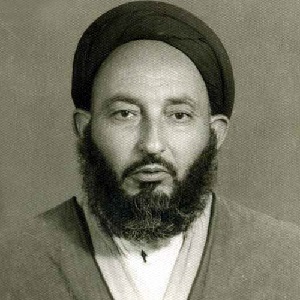
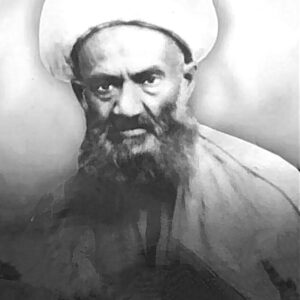
Shamsābādī, Sayyed Abul-Hasan Āl-e Rasūl,a jurist and a preacher of the contemporary period (1902-1976/1281-1355). He
Central Library of the Municipality (ketābkhāne-ye markazī-ye shahrdārī), The Central Library of the Municipality is
Muḥāseb al-Dawla, Āqā Khan, mathematician and one of the founders of modern schools in Isfahan.
Sunbulān, maḥalle (quarter) Sunbulān, presently known as Sunbulestān, is one of the historical quarters of
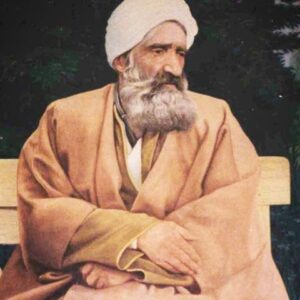
Ṣafī ‛Alīshāh, Mīrzā Hasan Eṣfahānī a prominent Sufi of the Ne‛matullāhī* order in the 13th
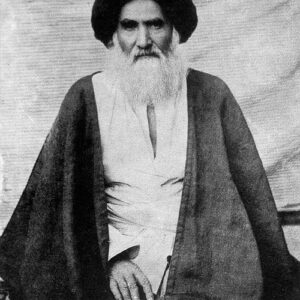
Eṣfahānī, Sayyed Abū al-Hasan, a Twelver Shiite senior jurist (marja‛) of the nineteenth and twentieth/thirteenth
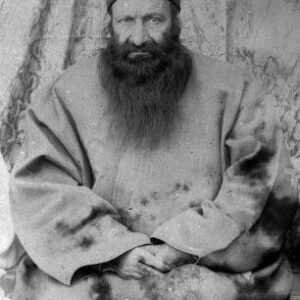
Nukhudakī Eṣfahānī, Hasan-Ali, Emāmī scholar and mystic from Isfahan in the late 19th and early
Eṣfahānī, Gūyesh (Dialect) Introduction Isfahanī is one of the dialects of Persian that exhibits mutual
Bannā, Muhammad b. Yūsuf – Ṣūfī and hadith transmitter from Isfahan in the 9th/3rd century.
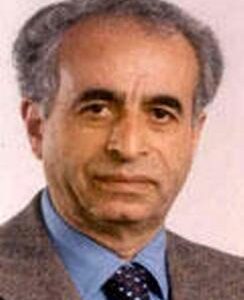
Falāṭūrī, ‛Abd al-Javād, a contemporary Islamic scholar and author of works on comparative philosophy (1925–1996).
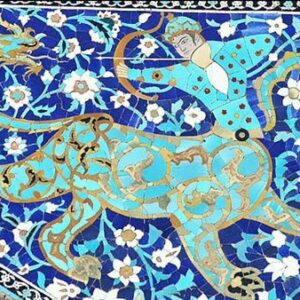
Namād-e Eṣfahān (The Symbol of Isfahan), an iconic1 emblem based on the constellation Sagittarius, representing
Qashqāʾī, Jahāngīr-Khān, teacher of philosophy and some Islamic sciences in the 19th and 20th centuries/13th
Ṣafī ‛Alīshāh, Mīrzā Hasan Eṣfahānī a prominent Sufi of the Ne‛matullāhī* order in the 13th
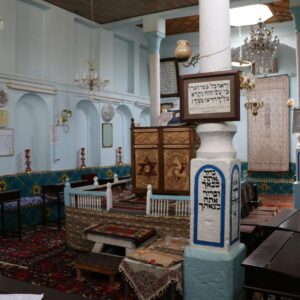
kanīse (Synagogue), a place of assembly and worship for Jews. The words kanīse and kanīs
Sulṭān al-‛Ulamā, Hussein b. Muhammad, an Imāmī jurist of the 17th/11th century and grand vizier
The Encyclopaedia Isfahanica invites researchers and authors interested in Isfahan and Isfahan Studies to contribute articles. Those interested may consult the list of entries/titles in the blue panel at the
He is the First and the Last
The Encyclopaedia Isfahanica is a treasure trove of knowledge, providing comprehensive information about approximately 1,700 years of Isfahan’s history, culture, and civilization. The region of Isfahan, distinguished by its diverse symbols, has always been a home to people of various ethnicities, religions, denominations, and tastes. In the Encyclopaedia Isfahanica, you can explore all facets of the beautiful, ancient, enduring, and picturesque Isfahan, and discover its bittersweet history through scholarly and documented articles.

The Encyclopaedia Isfahanica (EIs) is a well-structured repository of accurate information and cohesive knowledge regarding the history, culture, and civilization of Isfahan. The guiding principles of this repository are as follows:
1. The encyclopedia adheres to academic principles and writing standards, using original sources and applying a critical perspective towards them. Authors provide citations for their claims as footnotes (not endnotes) at the end of each claim or paragraph. Since the work is not intended to be repetitive, standard and useful articles from other encyclopedias are republished in the Isfahan …
The System of Transliteration and Abbreviation at The Encyclopaedia Isfahanica (EIs)
1- Transliteration
Ā/ ā آ
TH ث
J ج
CH چ